Custom CRM Development: Complete Guide to Building a CRM
Learn what custom CRM development is, including its benefits, features, costs, process, and how to build a tailored CRM solution that fits your business needs and drives growth, sales, and retention!
Abdul Ahad Akram, CEO & Founder, XenonDev
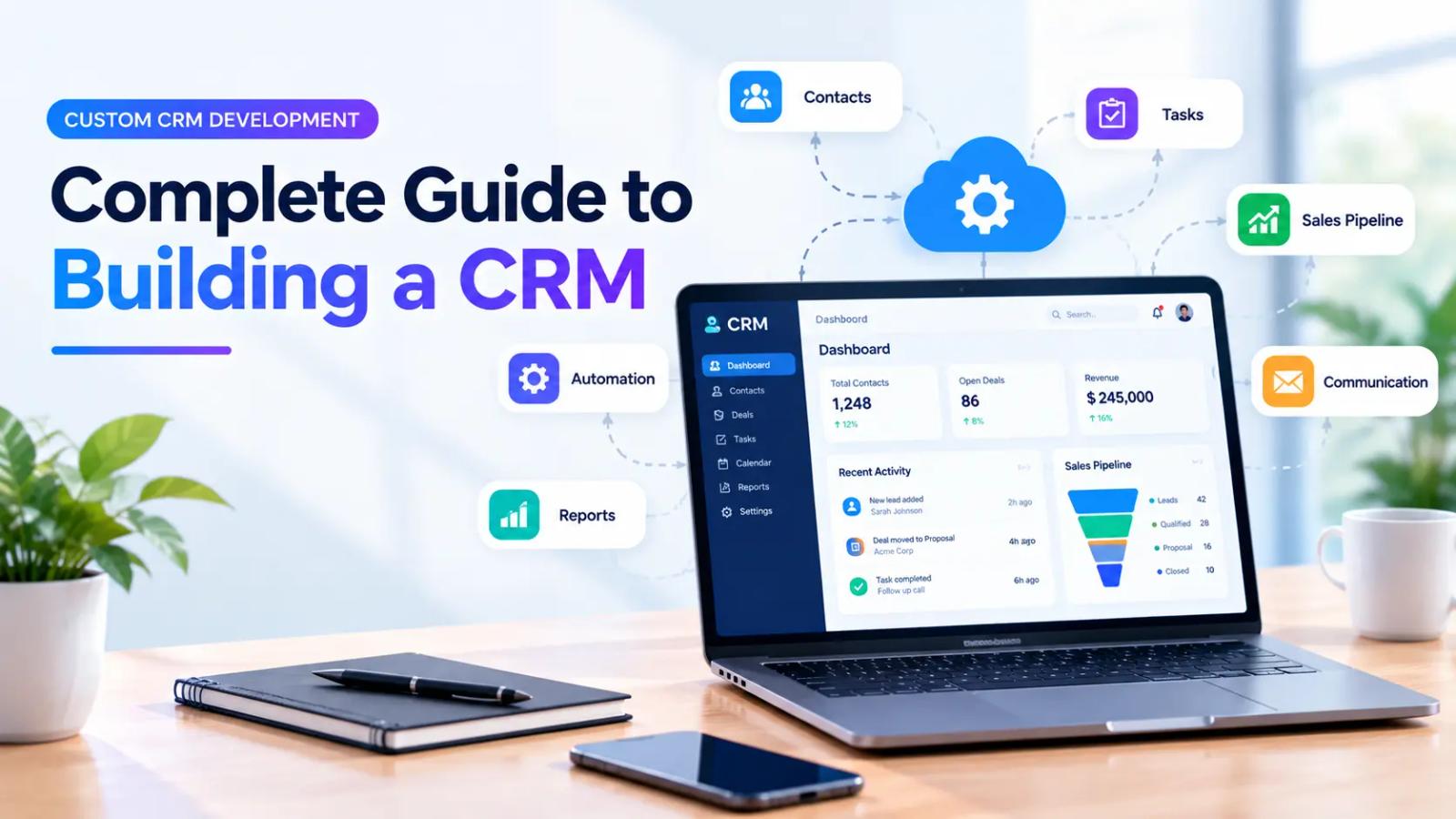
Managing customer relationships has become more complicated as businesses grow. Companies now connect with customers through many channels, including websites, social media, email, mobile apps, and sales platforms. Without a strong system, customer information can get lost, sales opportunities can be missed, and teams may struggle to deliver personalized experiences.
Custom CRM development lets businesses build solutions tailored to their unique needs, workflows, and goals. Unlike generic CRM platforms, custom systems offer the exact features, integrations, and automation each company requires. This approach improves sales management, automates tasks, enhances customer service, and supports data-driven decisions. For greater flexibility and control, custom CRM development is a smart step toward digital transformation.
What Is Custom CRM Development?
Custom CRM development is the process of designing and building a customer relationship management software solution according to a business’s unique requirements. With a custom CRM, you start from scratch instead of using an off-the-shelf platform. This way, you can set up a system that matches how your business already works, so you don’t have to change your processes just to fit into someone else’s software.
The main purpose of custom CRM development is to provide a centralized platform where companies can manage:
- Customer information
- Sales activities
- Marketing campaigns
- Customer support requests
- Business communication
- Reports and analytics
- Internal workflows
For example, a real estate company may need property management features, automated client follow-ups, and lead tracking. A healthcare organization may require patient communication management and secure data handling. A standard CRM may not provide these specific requirements, but a custom CRM can be built around them.
How Does Custom CRM Software Work?
A custom CRM system works as a central hub that connects different areas of a business. It collects customer-related data, organizes information, automates workflows, and provides insights that help teams improve their performance.
A typical custom CRM solution includes the following functions:
Customer Data Management
A CRM system stores complete customer profiles in one place. Businesses can access important information such as:
- Customer contact details
- Previous interactions
- Purchase history
- Service requests
- Preferences
- Communication records
This gives teams a complete understanding of customer relationships and helps them provide better experiences.
Sales Pipeline Management
Custom CRM software helps sales teams manage leads and opportunities throughout the sales journey.
Businesses can track:
- New leads
- Sales stages
- Follow-up activities
- Customer conversations
- Deal progress
- Revenue opportunities
With a customized sales workflow, companies can improve sales efficiency and reduce missed opportunities.
Workflow Automation
One of the biggest advantages of custom CRM development is automation.
Businesses can automate repetitive processes such as:
- Sending follow-up emails
- Assigning leads to team members
- Updating customer records
- Generating reports
- Managing notifications
Automation saves time and allows employees to focus on more important business activities.
Reporting and Business Analytics
Custom CRM solutions can include personalized dashboards that display important business information.
Companies can analyze:
- Sales performance
- Customer behavior
- Marketing results
- Team productivity
- Revenue trends
These insights help business owners make informed decisions based on real data.
Why Do Businesses Need Custom CRM Development?
Every business has different processes, customers, and goals. A CRM system that works for one organization may not work effectively for another.
Custom CRM development allows companies to build software that matches their exact requirements.
Better Business Efficiency
A customized CRM eliminates unnecessary features and focuses only on tools that a business actually needs.
Employees can access relevant information quickly, automate manual tasks, and improve overall productivity.
Improved Customer Experience
Customers expect personalized service and quick responses. A custom CRM provides teams with complete customer information, allowing them to understand customer needs and deliver better experiences.
Greater Flexibility and Scalability
As businesses grow, their software requirements also change. Custom CRM solutions can be updated and expanded with new features as the organization develops.
Companies can add:
- New departments
- Additional users
- Advanced automation
- Third-party integrations
- AI-powered features
Better Data Control and Security
Businesses often manage sensitive customer information. A custom CRM gives organizations greater control over data storage, access permissions, and security requirements.
Companies can implement security features based on their industry standards and internal policies.
Key Features of a Custom CRM System
A custom CRM platform can include different features depending on business objectives.
Contact Management
Contact management allows businesses to organize customer details and maintain complete customer profiles.
Teams can easily view customer history, previous interactions, and important information from a single dashboard.
Lead Management
A custom CRM helps businesses capture, organize, and manage leads effectively.
Important lead management features include:
- Lead tracking
- Lead scoring
- Follow-up reminders
- Sales assignment
- Conversion tracking
Customer Support Management
Custom CRM software can improve customer service by organizing support activities.
Businesses can manage:
- Customer inquiries
- Support tickets
- Communication history
- Service requests
Marketing Automation
CRM platforms can support marketing teams by automating customer engagement activities.
Features may include:
- Email automation
- Customer segmentation
- Campaign tracking
- Personalized communication
Third-Party Integrations
A major advantage of custom CRM development is integration flexibility.
Businesses can connect their CRM with:
- Payment gateways
- Accounting systems
- Email platforms
- E-commerce solutions
- Internal business tools
These integrations create a connected digital ecosystem.
Benefits of Custom CRM Software Development
Complete Customization
Unlike ready-made CRM platforms, custom software allows businesses to decide how the system should work.
From interface design to workflow automation, every part of the CRM can be created according to business requirements.
Reduced Manual Work
Automation reduces repetitive tasks and improves employee productivity.
Teams can spend less time managing data and more time building customer relationships.
Better Decision Making
Custom CRM dashboards provide valuable insights into customer behavior, sales performance, and business growth.
This allows companies to make strategic decisions using accurate information.
Competitive Advantage
A CRM built specifically for a business can provide advantages that competitors using generic systems may not have.
Companies can create unique processes that improve customer service and operational efficiency.
Custom CRM Development Process
A professional custom CRM development process involves several important stages.
Requirement Analysis
The first step is understanding the business objectives, challenges, users, and required features.
Developers analyze existing workflows and identify opportunities for improvement.
Planning and Architecture
The development team creates the technical structure of the CRM system.
This includes:
- Software architecture
- Database planning
- Feature planning
- Security requirements
- Integration strategy
UI/UX Design
A CRM should be easy for employees to use.
The design process focuses on creating a simple, intuitive interface that improves user experience.
Development and Integration
Developers build the CRM system with required features and connect it with existing business tools.
Modern technologies can also be used to create AI-powered automation and intelligent business solutions.
Testing and Deployment
Before launch, the CRM is tested for:
- Performance
- Security
- Functionality
- User experience
After successful testing, the system is deployed for business use.
Maintenance and Improvements
A CRM requires regular updates to support changing business needs.
Ongoing maintenance ensures better performance, security, and scalability.
How Much Does Custom CRM Development Cost?
The cost of custom CRM development depends on several factors, including:
Project Complexity
A basic CRM with customer management features requires less investment compared to an enterprise CRM with advanced automation and AI capabilities.
Required Features
Additional features such as integrations, dashboards, mobile applications, and automation workflows affect development costs.
Design Requirements
A highly customized interface and user experience may require additional development time.
Development Approach
The cost also depends on the technology stack, development team, and project scope.
Businesses should consider custom CRM development as a long-term investment that improves efficiency and supports future growth.
Industries That Benefit From Custom CRM Solutions
Custom CRM software can benefit businesses across different industries.
Healthcare
Healthcare organizations can use CRM solutions for managing patient communication, appointments, and service interactions.
Real Estate
Real estate businesses can manage property leads, customer inquiries, sales pipelines, and follow-ups.
E-commerce
Online businesses can improve customer engagement through personalized marketing, purchase tracking, and customer insights.
Financial Services
Financial organizations can use secure CRM systems for client management, communication, and relationship tracking.
SaaS Companies
Software companies can use CRM platforms for customer onboarding, subscription management, and user engagement.
AI-Powered Custom CRM Development for Modern Businesses
Artificial intelligence is changing how businesses manage customer relationships.
Modern CRM solutions can use AI to automate tasks, analyze customer behavior, and provide intelligent recommendations.
AI-powered CRM features may include:
- Predictive sales insights
- Automated customer responses
- AI chat assistants
- Customer behavior analysis
- Smart recommendations
By combining AI software development with custom CRM solutions, businesses can create smarter systems that improve decision-making and customer engagement.
Why Choose XenonDev for Custom CRM Development?
Building a successful CRM requires more than software development. Businesses need a technology partner that understands their goals and creates solutions based on real operational challenges.
XenonDev provides custom software development services to help businesses build scalable and efficient digital solutions. The company focuses on creating software that supports business growth through modern technologies, automation, and customized development approaches. With expertise in custom applications, AI-powered solutions, and scalable software platforms, XenonDev helps businesses transform their ideas into practical digital products.
A custom CRM solution developed with the right technology approach can help companies:
- Improve customer relationship management
- Automate business processes
- Connect different business systems
- Create better user experiences
- Prepare for future growth
Whether a business needs a CRM platform, SaaS solution, enterprise software, or automation system, a customized development approach provides the flexibility required in today’s competitive market.
Final Thoughts
Custom CRM development tailors your customer management system to your business needs. Unlike generic off-the-shelf solutions, a custom CRM improves customer connections, automates daily work, delivers actionable insights, and positions your business for long-term success.
A custom CRM helps your company work efficiently and build a strong digital foundation. With experts like XenonDev, you get a CRM system tailored to your needs and future goals.
Frequently Asked Questions About Custom CRM Development
What is custom CRM development?
Custom CRM development is the process of creating a customer relationship management system specifically designed according to a company’s unique business processes, goals, and requirements.
Why choose custom CRM software instead of ready-made CRM platforms?
Businesses choose custom CRM software because it provides greater flexibility, customization, scalability, and control compared to standard CRM solutions.
How long does it take to develop a custom CRM system?
The development timeline depends on the project scope, required features, integrations, and complexity of the CRM solution.
Can AI be added to a custom CRM system?
Yes, AI features such as automation, customer insights, predictive analytics, and intelligent assistants can be integrated into custom CRM platforms.
Is custom CRM development suitable for small businesses?
Yes, small businesses can benefit from custom CRM solutions when they need specific workflows, better scalability, or specialized features.